Snow foam, soft mitts, separate brushes for wheels and drivetrain, and filtered air to dry the places water loves to hide. A proper motorcycle wash, done by people who ride.
Most wash damage comes from the wrong chemical or the wrong tool, not from the water. Here is exactly what goes on your bike in our bay.
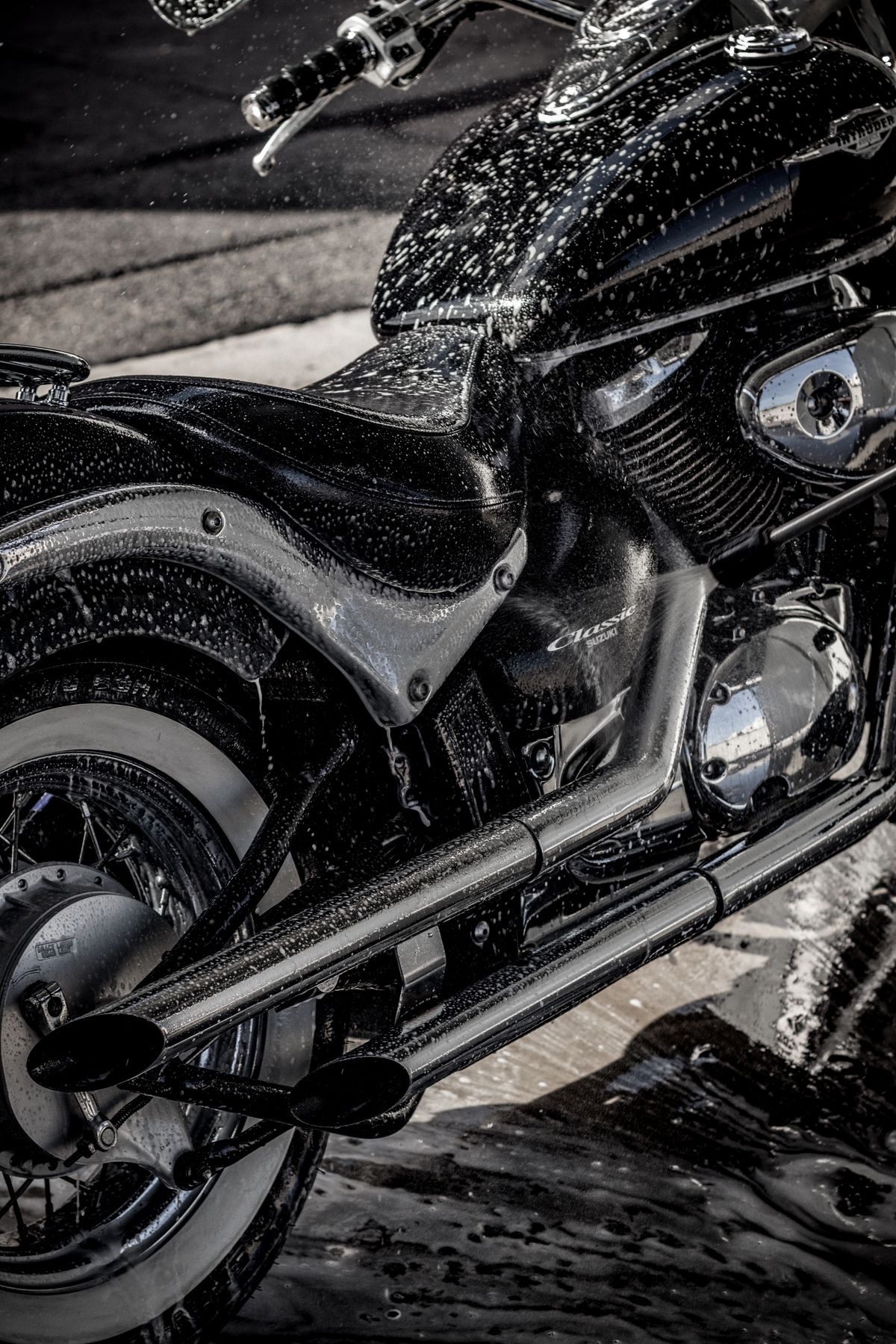
Clings for a few minutes to soften road film and grime so it rinses away instead of being rubbed into the clear coat.
Two-bucket method with grit guards, one mitt for upper panels, another for lower panels and fenders.
Spoke brushes and a soft wheel brush that never touch the paint. Brake dust stays on the wheels’ side of the bay.
Water is blown out of switchgear, connectors, the chain and bolt heads, then a plush towel removes the last drops.
Every level starts with the same paint-safe rinse and foam. The difference is how far into the details we go.
About 30 minutes
From ৳350
For regular commuters who wash every week or two and want the road film off fast.
About 1 hour
From ৳750
For bikes after rain, mud or a long trip, and anyone whose chain has turned black.
Half a day
From ৳2,800
For a bike you are selling, a bike you love, or a bike that has not been properly cleaned in a year.
Detailing is not a longer wash. It is correction and protection. After a deep clean we use a clay bar to lift bonded contamination — tar spots, iron fallout from brakes, tree sap — that washing cannot remove. Then we polish to take out light swirls and oxidation, so the paint reflects instead of looking dull.
Bare metal, chrome and aluminium get their own polish. Black plastics that have turned grey are restored with a dressing that dries to a satin finish, not a greasy shine. Finally a sealant or ceramic coat goes on to keep water beading off and make every future wash quicker.
A full detail is the best preparation before selling a bike, after a long period of storage, or once a year for a machine that lives outside.
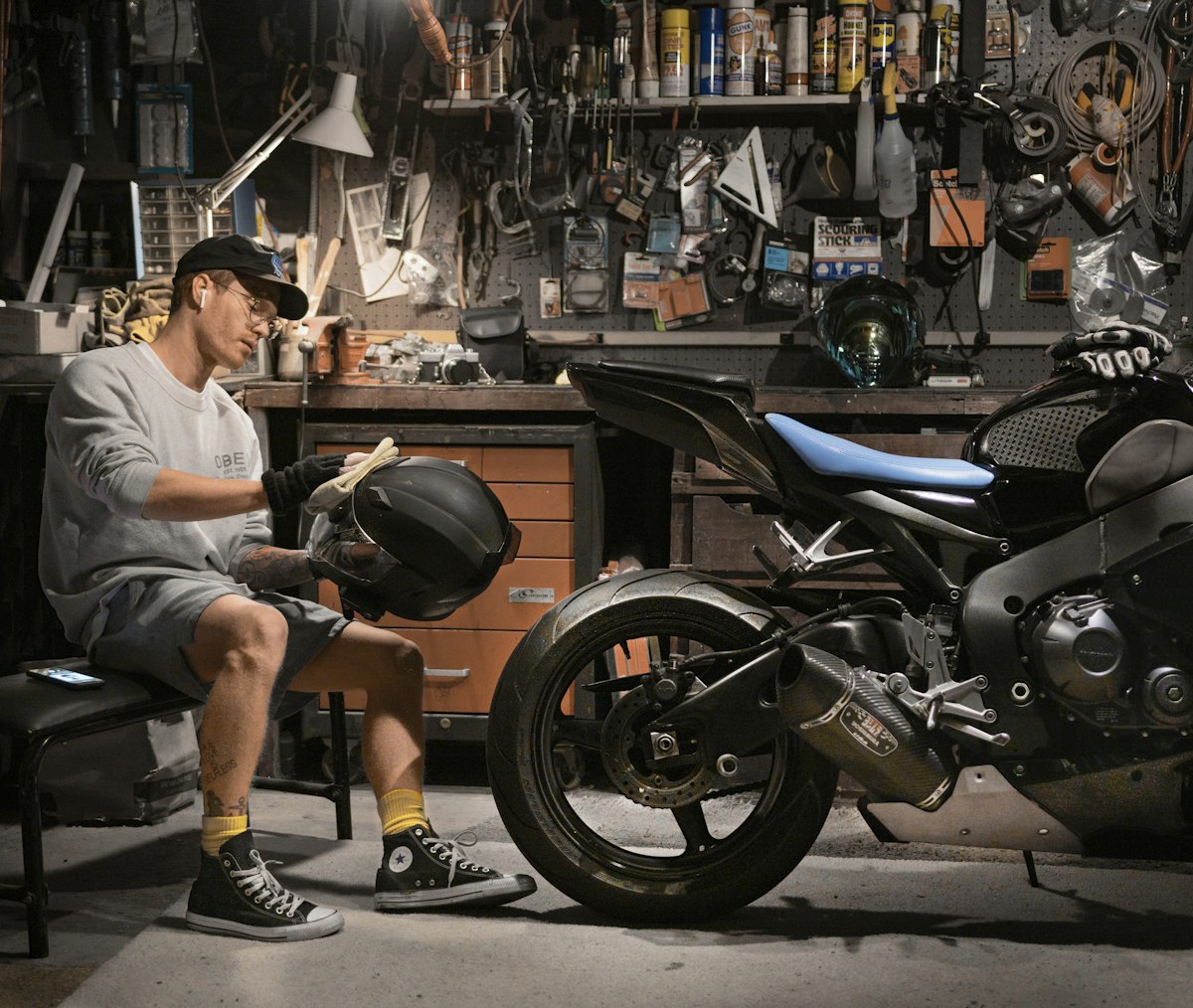
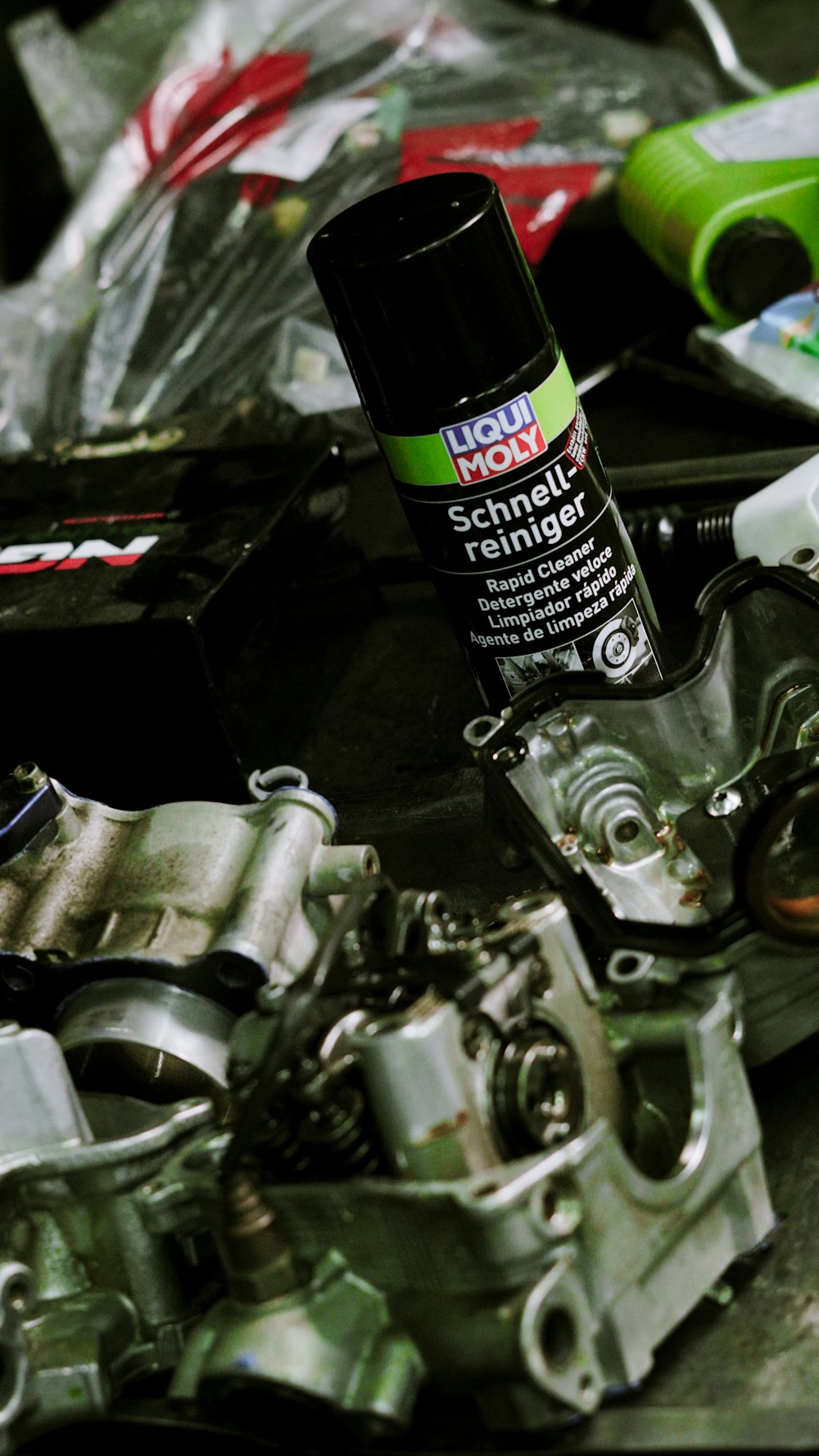
Rinse mud off within a day or two, before it dries and bonds. Pay attention to the underside of the fender and the chain, which hold water longest.
Lubricate every 500 km or after every wet ride. Apply to a warm chain on the inside of the lower run, then wipe off the excess after ten minutes.
A breathable cover under a roof is ideal. Avoid plastic sheets in direct sun — they trap heat and moisture against the paint.
Use a damp microfibre on a cool bike, never a dry cloth on dusty paint. Dust is abrasive and dry wiping is how swirl marks start.
Book a wash level, add detailing or a service if you want, and we will have the bay ready when you arrive.
